Author: IIES Bangalore

Linux Process Creation with fork() and vfork() INTRODUCTION Understanding how processes are created is crucial for navigating the Linux operating system. A foundational understanding of process generation is essential for software engineers and system administrators operating within Linux environments. This exposition will dissect the functionality …
Read more
Exploring C’s Process Execution with exec() INTRODUCTION The ability to execute external programs programmatically is a fundamental aspect of operating system interaction. In the C programming language, this capability is provided by the exec() family of functions, encompassing execl(), execlp(), execv(), and execvp(). These system …
Read more
Understanding Process Management in Linux Internals INTRODUCTION The efficient management of processes is a cornerstone of the Linux operating system’s stability and performance. This document provides a detailed examination of the kernel’s internal mechanisms for process handling. We will explore the process lifecycle, encompassing creation …
Read more
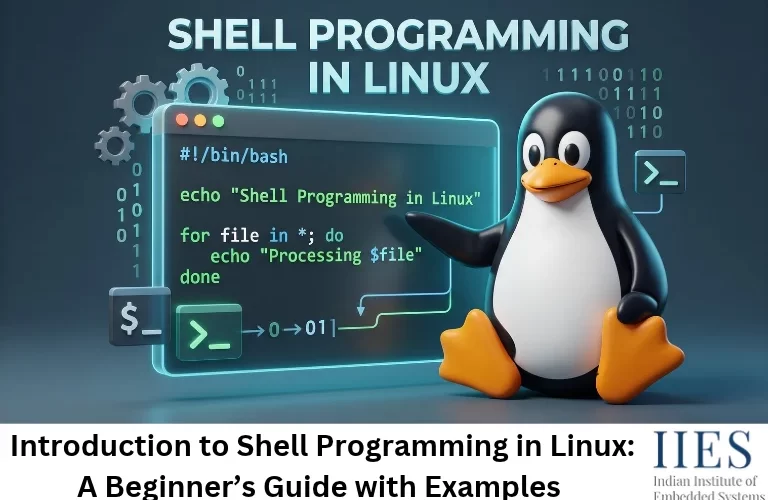
Introduction to Shell Programming in Linux: A Beginner’s Guide with Examples Shell programming in Linux means writing commands, variables, conditions, loops and functions in a plain text file (a shell script) that the Linux shell runs for you. Start the file with a shebang such …
Read more
Understanding Virtual Memory in Linux INTRODUCTION Virtual memory is a key feature in Linux that allows the system to use disk space as an extension of physical RAM. This enables the system to run larger applications or multitask more efficiently, even when the actual RAM …
Read more
Understanding Virtual Memory and File Systems in Linux INTRODUCTION Linux is a robust and flexible operating system known for its efficient memory management and versatile file system architecture. Two core components that play a critical role in its performance and reliability are virtual memory and …
Read more
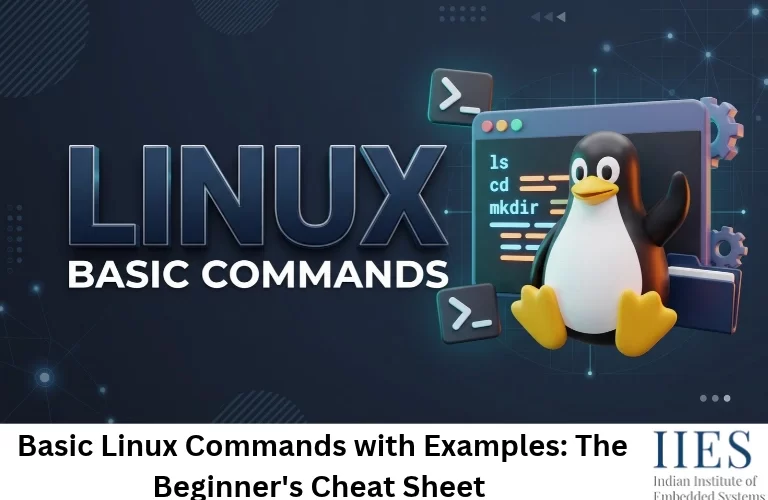
Basic Linux Commands with Examples: The Beginner’s Cheat Sheet What Are Basic Linux Commands?Basic Linux commands are short text instructions typed into the terminal to manage files (ls, cd, cp, mv, rm), read and search data (cat, grep, find), check the system (df, free, uname), …
Read more
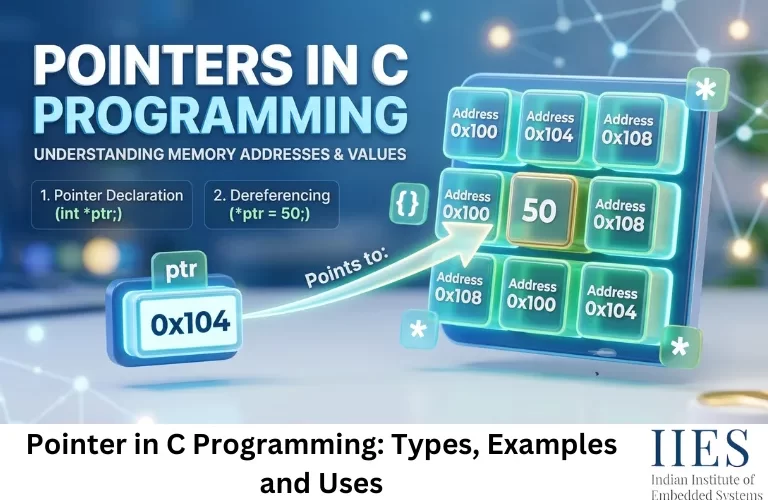
Pointer in C Programming: Types, Examples and Uses Pointers are one of the most important concepts in C programming because they allow a program to work with memory addresses directly. They are commonly used with arrays, functions, structures, dynamic memory, and low-level programming. For beginners, …
Read more
Digital Electronics: The Brain Behind Modern Technology INTRODUCTION Welcome to our digital electronics hub — your go-to destination for understanding the technology that powers modern life. From smartphones and smart homes to autonomous vehicles and advanced healthcare systems, digital electronics form the backbone of nearly …
Read more
Understanding Operational Amplifiers (Op-Amps): The Heart of Analog Electronics INTRODUCTION Operational amplifiers, commonly known as op-amps, are fundamental components in the field of analog electronics. These versatile devices are widely used in signal amplification, filtering, and a variety of circuit applications across industries. Whether you’re …
Read more