

IoT in Healthcare: Revolutionizing Medical Research and Patient Care INTRODUCTION In the healthcare sector, the Internet of Things (IoT) refers to the network of interconnected devices that collect, transmit, and analyze health data. This includes connected diagnostic instruments, wearable monitors, mobile health apps, and smart hospital equipment. These technologies enable real-time …
Read more
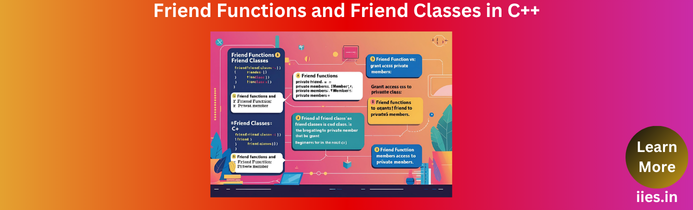
Friend Functions & Classes in C++ with Examples INTRODUCTION In C++, the object-oriented programming model promotes data hiding and encapsulation by keeping class members private or protected. However, there are situations where we want to give non-member functions or other classes access to these hidden …
Read more

Electromagnetic Theory: The Invisible Force behind Modern Technology INTRODUCTION Electromagnetic theory is the invisible force that powers much of our modern world—from Wi-Fi and smartphones to MRI machines and electric motors. It’s a fascinating branch of physics that explores how electric and magnetic fields interact, …
Read more



Signals and Systems Basics: Concepts & Real-World Uses INTRODUCTION In an increasingly digital world, signals and systems form the backbone of everything from smartphones to self-driving cars. Whether you’re streaming music, using GPS, or talking on a video call, you’re interacting with systems that process signals …
Read more

Shell Scripting Basics: Uses, Benefits, and Examples INTRODUCTION Normally, shells are interactive—meaning the shell accepts commands from you via the keyboard and executes them immediately. However, if you store a sequence of commands in a text file and instruct the shell to execute that file, …
Read more

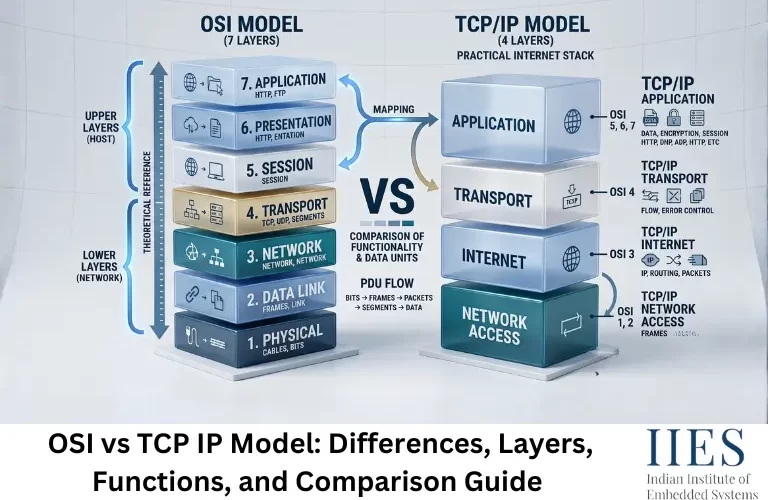
OSI vs TCP IP Model: Differences, Layers, Functions, and Comparison Guide The OSI vs TCP/IP model is one of the most commonly discussed topics in computer networking, embedded systems, IoT, cybersecurity, and technical interviews. While both models describe how data travels between devices, they serve …
Read more

C++ References Explained with Examples and Uses INTRODUCTION References are a powerful feature in C++ that allow variables to be accessed and modified using alternate names, improving performance and code clarity. As part of C++ basics, references offer a cleaner and safer alternative to pointers, …
Read more